Algarve Travel Tips for an Easier, Better Holiday
Luiz and the Caravelis Team
Why the Algarve is so easy to love
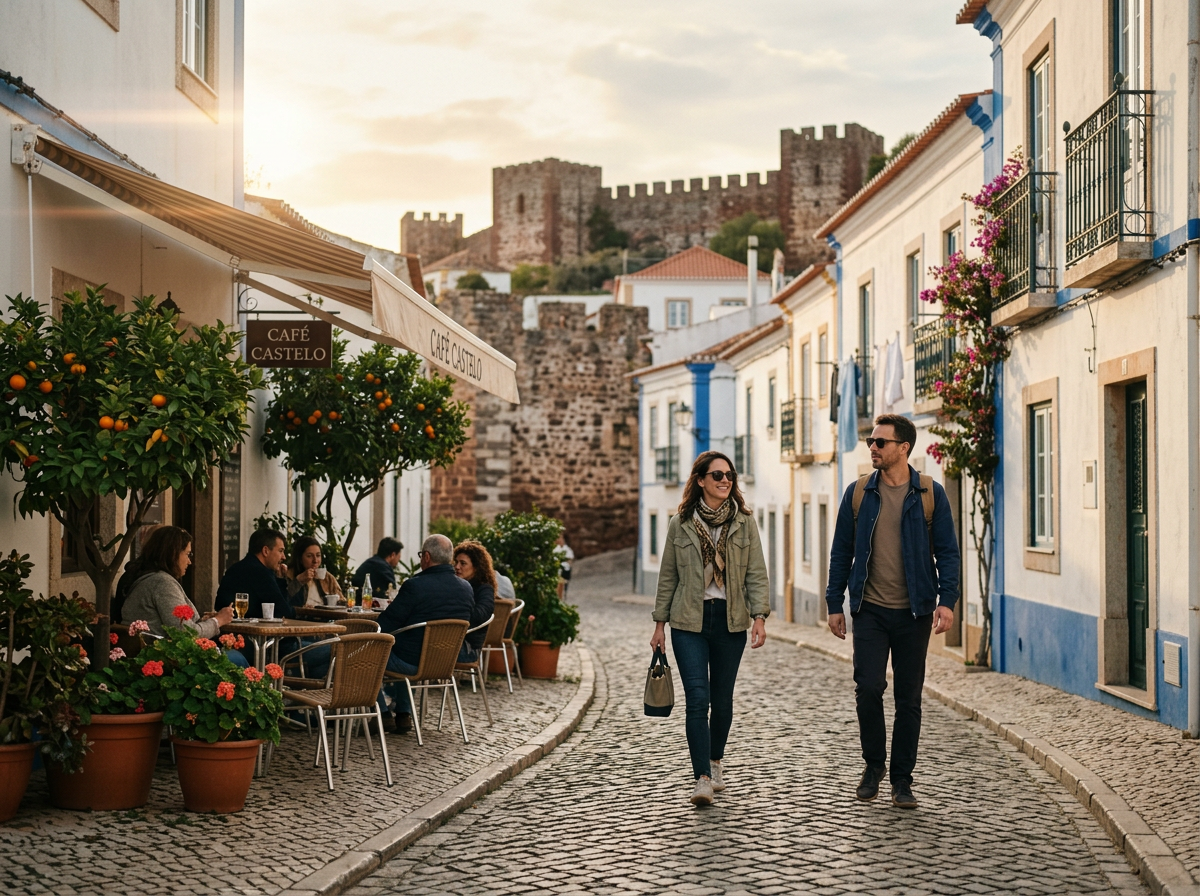
The Algarve is one of Portugal’s most approachable regions for a holiday. It offers sandy beaches, dramatic cliffs, family-friendly resorts, traditional towns and plenty of sunshine, all within fairly short driving distances.
That said, a better trip usually comes down to a few smart choices. Knowing when to go, how to get around, which beaches suit your style and how to avoid common mistakes can make the difference between a rushed break and a genuinely relaxing one.
If you are staying in places such as Armação de Pêra, Albufeira, Lagoa or Silves, you can easily mix beach time with local food, boat trips, walking routes and quieter inland detours. The region rewards travellers who slow down a little and look beyond the busiest promenade.
Best for: beach holidays, family trips, couples, road trips and relaxed long stays
Good to know: summer is busy, hot and lively, while spring and autumn are easier for sightseeing
Getting around: a car gives the most flexibility, but some coastal towns also work well without one
Local rhythm: lunch is often unhurried, evenings start later, and beach days work best early or late in peak summer
Local tip: The Algarve is more varied than many first-time visitors expect. A base in the central Algarve makes it easy to combine lively beach towns with quieter villages and scenic countryside.
For many travellers, the simplest approach is to choose one main base and take short day trips. This saves time checking in and out of multiple places and lets you get to know one area properly.
When to go and what to expect by season
One of the best Algarve travel tips is to match your trip to the kind of holiday you actually want. July and August bring classic beach weather and a lively atmosphere, but they also mean higher temperatures, fuller roads and busier restaurants.
Spring, especially April to early June, suits travellers who want mild warmth, greener landscapes and easier sightseeing. Autumn, particularly September and October, can be excellent for sea temperatures, walks and slower days out.
Seasonal differences that matter
In high summer, the midday heat can be intense, often making beach walks or inland exploring uncomfortable. In cooler months, the coast is calmer and easier to enjoy, though some seasonal businesses may reduce hours or close temporarily.
Spring: good for hiking, town visits, cycling and gentler temperatures
Summer: best for swimming, boat trips, family beach days and nightlife
Autumn: warm sea, softer light and a more relaxed feel
Winter: quieter, better for long walks, golf and low-key stays rather than classic beach holidays
Pro tip: In peak summer, plan outdoor sightseeing before 11:00 or after 17:00. Use the middle of the day for lunch, shade, a swim or a rest.
Details can change from season to season, especially for events, boat tours and restaurant opening patterns. It is always sensible to check official listings or local business pages shortly before you travel.
Getting around the Algarve without stress
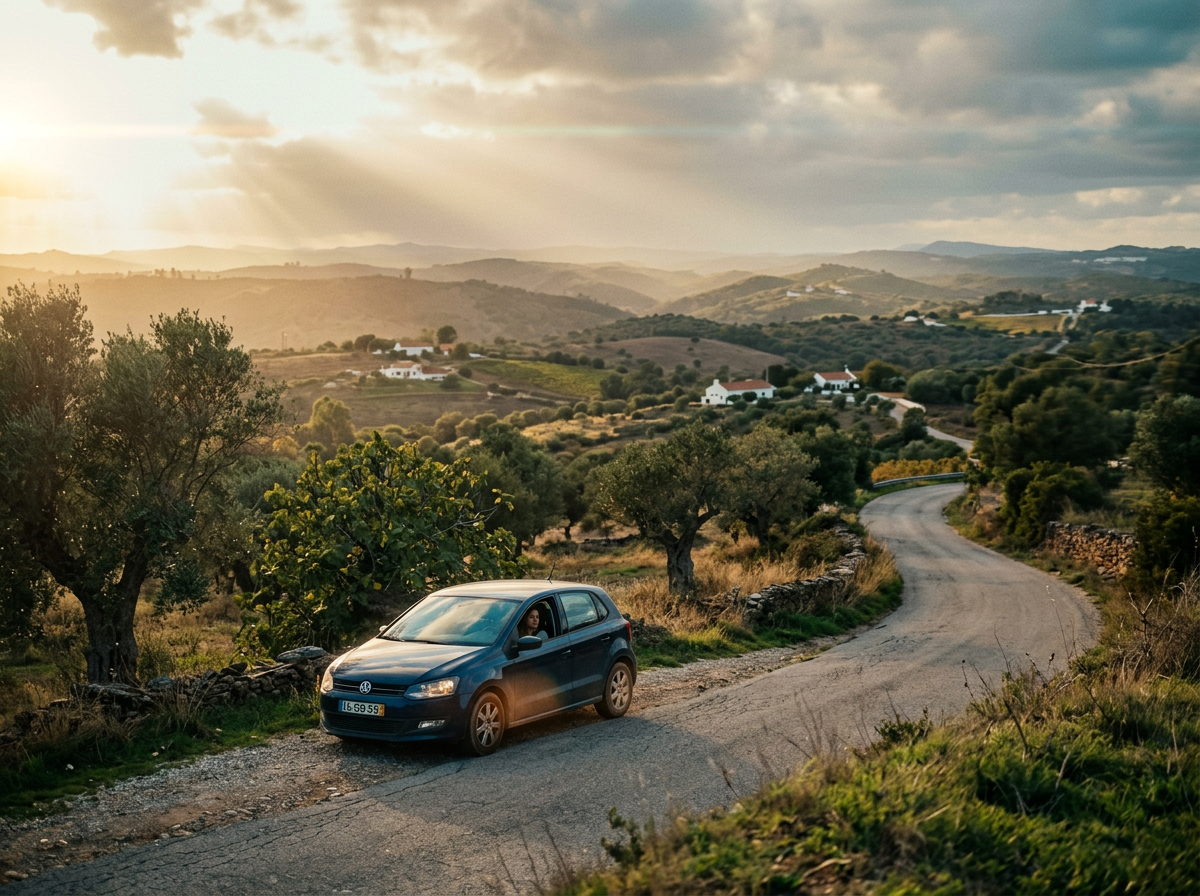
The Algarve looks compact on a map, but travel times can add up once you factor in summer traffic, parking and winding roads near beaches. If you want to explore widely, hiring a car is usually the easiest option.
For travellers staying mostly in one resort or town, it is still possible to manage without a car. Taxis, ride-hailing services and regional buses can help, though public transport is generally more convenient for town-to-town journeys than for hidden coves or cliff viewpoints.
Choosing the best transport option
Faro Airport is the main gateway for most visitors. From there, central Algarve destinations are often around 40 to 60 minutes away by car, depending on traffic and exactly where you are staying.
Car hire: best for beaches, villages, wineries, markets and inland trips
Train: useful for some larger towns, but not ideal for reaching many beaches directly
Bus: practical on some routes, though less flexible for full-day exploring
Walking: possible within towns such as Armação de Pêra, but not realistic for longer coastal hops
Parking can be one of the biggest frustrations in summer. Popular beach areas fill early, especially near famous spots such as Praia da Marinha, Benagil and central Albufeira.
Local tip: If a beach is well known on social media, assume parking will be difficult by late morning in summer. Arriving early is often the simplest solution.
If you are driving, be prepared for narrow streets in older centres and occasional steep access roads near the coast. Keep some flexibility in your plans rather than trying to fit too many stops into one day.
Beach days, boat trips and staying safe
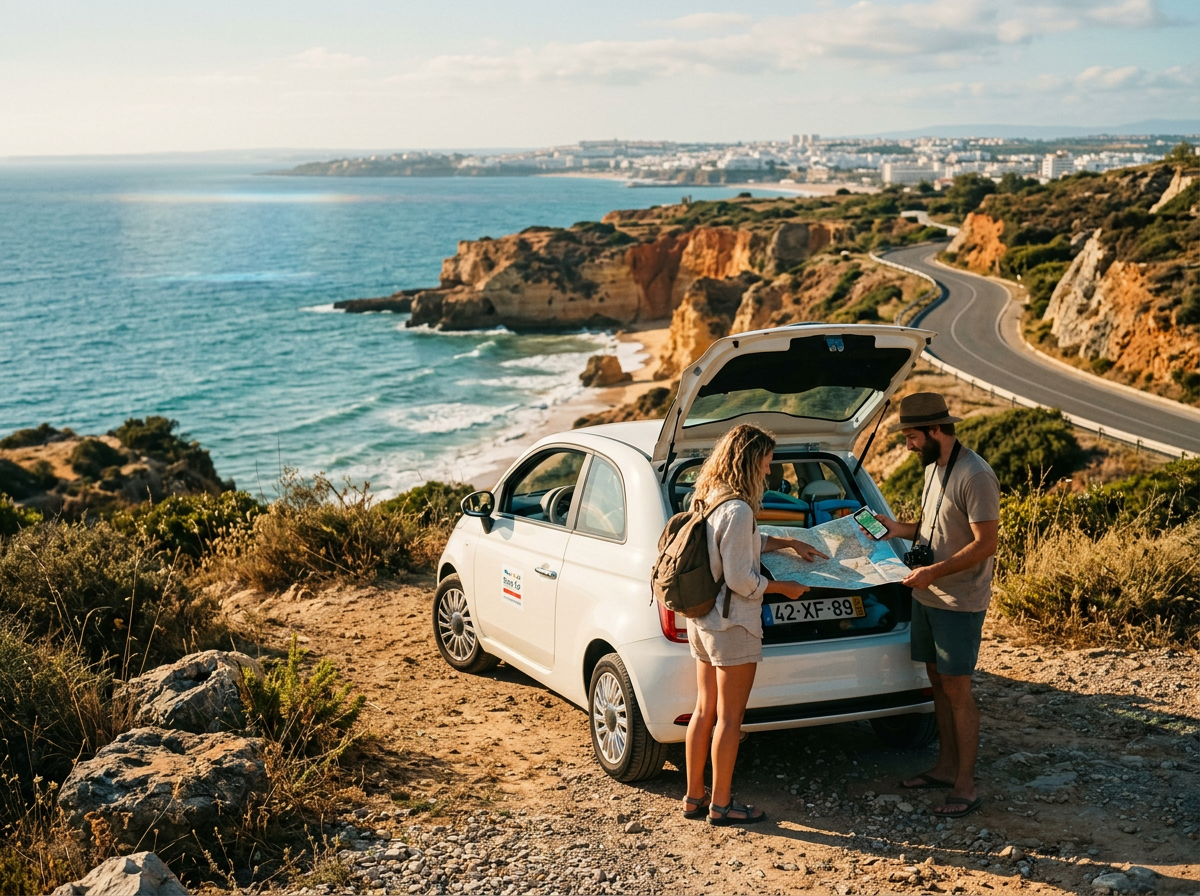
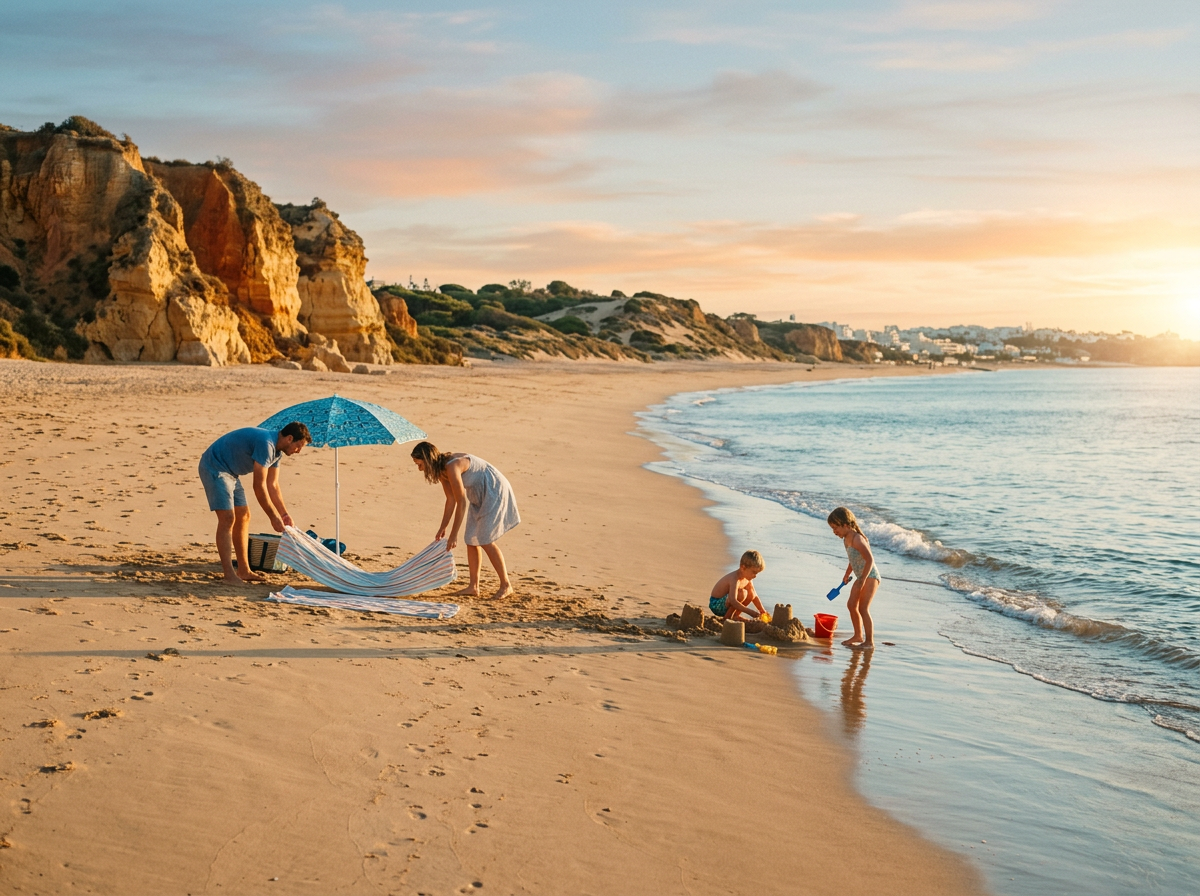
Many people come to the Algarve for the coastline, and rightly so. From long sandy stretches near Armação de Pêra to smaller coves around Lagoa and cliff-backed beaches near Carvoeiro, there is a beach style for almost every type of traveller.
The key is to choose beaches that suit your group. Families often prefer broad sandy beaches with easy access and facilities, while couples may enjoy smaller scenic spots if they are happy with steps, less shade and more walking.
Simple beach planning that helps
Conditions can change quickly with wind, tides and sea state. Always pay attention to local flags, lifeguard guidance and warning signs, especially on Atlantic-facing beaches or near cliff areas.
Bring water, sun cream, a hat and shade if you are staying for several hours
Wear proper footwear for rocky paths, boardwalks or hot sand
Be cautious near cliff edges, even when taking photos
Do not assume every cove is pram-friendly or accessible without steps
Boat trips are one of the most popular Algarve experiences, especially for caves, dolphin-watching and coastal views. They can be memorable, but they are weather-dependent and often busier in the middle of the day in peak season.
Safety note: Sea conditions and access rules can change. For cave tours, kayaking and boat trips, check with licensed operators and follow current local guidance.
If you are sensitive to heat or travelling with children, the easiest formula is often an early beach session, a relaxed lunch, then a quieter inland stop later in the afternoon. It keeps the day enjoyable without overdoing it.
Eating well and finding the local side of the Algarve
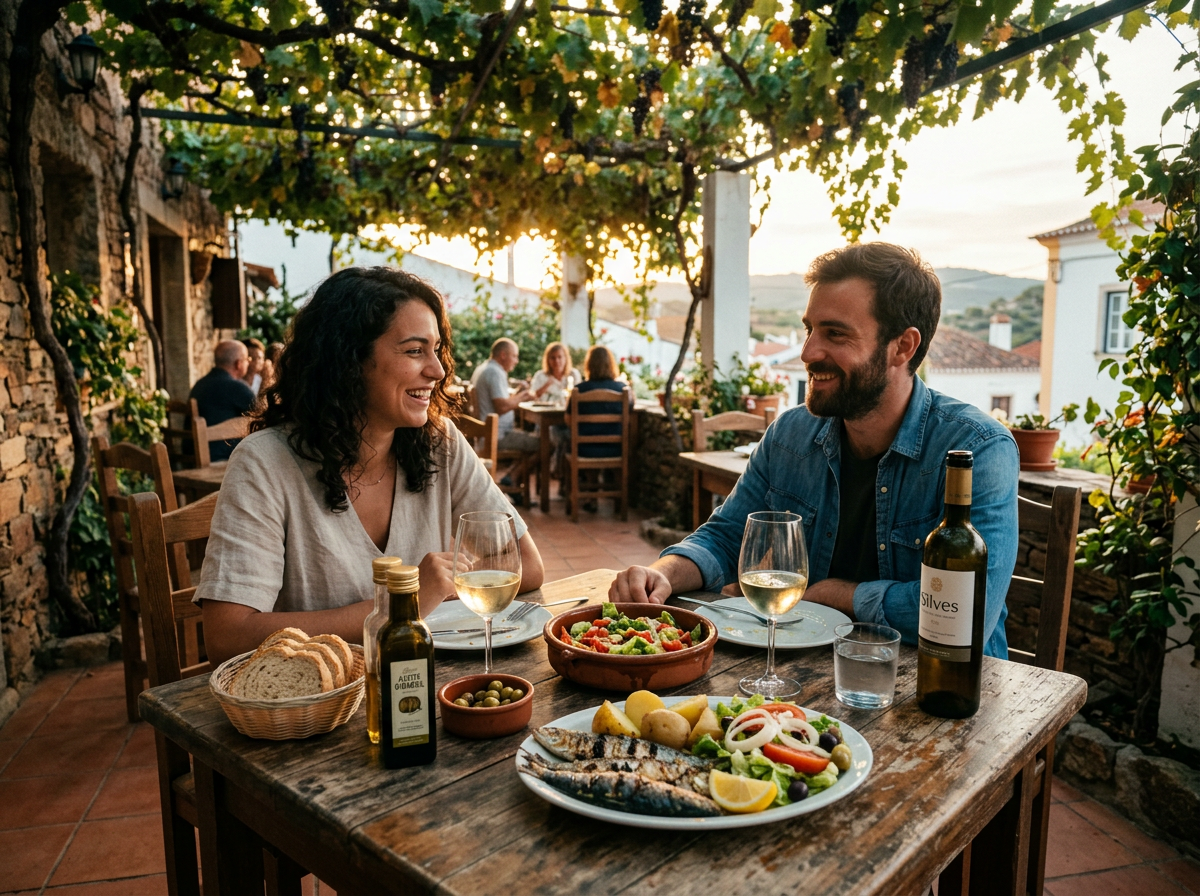
Another useful Algarve travel tip is not to eat every meal on the busiest seafront. There are plenty of pleasant promenade restaurants, but some of the most satisfying meals are found one or two streets back, in residential areas or smaller inland towns.
The local food scene blends fresh seafood, grilled fish, simple meat dishes, pastries and regional produce. You may also see petiscos (Portuguese small plates), which are ideal if you want to try a few different flavours rather than one large main course.
What to look for when choosing where to eat
Rather than chasing only the most famous places, look for restaurants that seem consistently busy with a mixed crowd. Menus with a clear local focus, seasonal specials and straightforward cooking are often a good sign.
Seafood and fish: especially popular along the coast
Cataplana: a traditional Algarve seafood stew, though styles vary by restaurant
Grilled dishes: often a reliable, simple choice
Pastelaria stops: good for coffee, pastries and lighter breaks during the day
In many places, dinner starts later than some visitors expect. If you want the best choice at a popular restaurant in summer, booking ahead is wise, especially in central resort areas.
Local tip: For a more authentic feel, try a lunchtime stop in a town such as Silves or a quieter neighbourhood away from the beach strip. The pace is often slower and the experience more local.
If you have dietary needs, it is worth checking menus in advance where possible. Larger towns and resort areas usually offer more choice, while smaller traditional places may have shorter, more fixed menus.
Practical tips that make the trip smoother
The most helpful travel advice is often the least glamorous. A few practical habits can save you time, money and stress, particularly in summer when the Algarve is at its busiest.
Think in terms of comfort rather than just sightseeing. Lightweight clothing, sensible shoes, a reusable water bottle and a rough plan for each day will usually do more for your holiday than trying to cram in every headline attraction.
Easy wins before and during your trip
Book accommodation with parking if you plan to drive.
Reserve popular restaurants or boat trips a few days ahead in high season.
Carry some cash, as small businesses or beach kiosks may not always prefer cards.
Check accessibility in advance if travelling with a pram, wheelchair or reduced mobility.
Build downtime into your itinerary, especially with children or older travellers.
Accessibility can vary a lot across the region. Newer promenades and larger town beaches may be easier to manage, while historic centres often have cobbles, slopes and uneven surfaces.
For families: look for beaches with toilets, nearby cafés, shade options and easy sand access
For couples: sunset viewpoints, boat trips and inland wine or village stops work well
For longer stays: mix coast and countryside to avoid holiday fatigue
For budget travellers: public beaches, town markets and bakery lunches can keep costs down
Final tip: Do not try to “do the whole Algarve” in a few days. Pick one area, enjoy it properly, and leave room for an unplanned stop that turns out to be the highlight of the trip.
The Algarve is easy to enjoy on the surface, but it becomes much more rewarding when you travel at a local pace. If you would like more practical ideas for where to stay, what to do and how to explore Armação de Pêra and the wider region, Caravelis has more Algarve guides to help you plan.
Planning your Algarve holiday?
Browse our properties in Armação de Pêra and book direct for the best rates.